Multiple Conventional Loans: What to Know
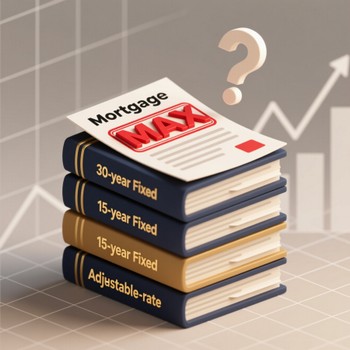 Are you considering owning more than one property with conventional loans? You're not alone. Many investors and homeowners wonder, can you have 2 mortgage loans at the same time? The answer is yes, but it's key to approach it wisely. With good planning, solid finances, and a clear understanding of the rules, it's possible. Let's go over what you'll need, from credit scores to cash reserves. Don't worry, we'll keep it simple.
Eligibility for Several Conventional Mortgages at Once
First, let's answer the main question: how many conventional loans can you have? Fannie Mae and Freddie Mac allow you to finance up to ten properties. You can have several conventional loans, but the requirements get stricter with each one. Lenders pay close attention to your debt-to-income ratio (DTI). For a primary home, you'll need to keep your DTI between 43% and 50%.
As you buy more properties, you'll need to make bigger down payments and have more cash saved up. It's important to talk to a mortgage professional who understands multi-property portfolios. They can help you see how your finances match up with lender requirements before you start shopping for properties.
Understanding Conventional Mortgage Limits
The limits aren't just about how much you can borrow. They also include how many conventional loans you can have at once. So, can you have 2 conventional loans? Yes, that's straightforward. If you want more, you can have up to ten financed properties. However, your down payment and credit score requirements increase with each loan. For properties 1–4, you might need to put down 15% for an investment. For properties 5–6, the minimum is 25%. For 7–10 properties, plan on 25–30%.
Lenders also want to see more cash reserves as you add properties. For 2–4 properties, you'll need to have six months of mortgage payments saved. For 5–6 properties, you'll need twelve months. For 7–10 properties, have eighteen months of reserves ready.
Now, let's look at occupancy rules for your portfolio. You can't call every property your "primary home." Lenders check this carefully. You're only allowed a single primary residence at a time. If you already have a conventional loan on your main home and want another, you'll need a valid reason, like moving for a job more than 50 miles away.
Acceptable reasons to change your primary residence
- Moving for work more than 50 miles from your current home
- Expanding your family and needing more space
- Downsizing after kids move out
- Moving closer to elderly parents who need care
You'll need documents like employment letters or transfer papers. Without these, your new purchase will count as a second home or investment property, which means different requirements.
Second Home vs. Investment Property: What's the Difference?
A second home is meant for your own use. It usually needs to be at least 50 miles from your main home, though some lenders require 100 miles. You can't rent it out full-time, and most lenders don't allow short-term rentals like Airbnb. The minimum down payment for a second home is 10%. Some lenders might offer lower rates if your credit is excellent, but you shouldn't count on it. Investment properties have the strictest rules. You can't live in them yourself, but you can use the rental income to help you qualify. Lenders usually count 75% of the gross monthly rent.
Down Payment and Credit Score Requirements at a Glance
Your credit score needs to be higher for each new loan. Here's how it works:
- 1–4 properties: Minimum credit score 620, but aim for 680+
- 5–6 properties: Minimum 680, recommended 700+
- 7–10 properties: Minimum 720, recommended 720+
As you get more conventional loans, the requirements go up. Also, keep in mind that every mortgage application causes a hard credit inquiry. Applying for several loans in a short time can temporarily lower your credit score.
Cash Reserves and Income Calculations
Lenders want to make sure you can cover costs if a property is vacant. That's why they require reserves. Acceptable reserve assets include:
- Savings accounts
- Investment accounts
- Retirement accounts (with some limits)
Your debt-to-income ratio goes up with each mortgage. For primary homes and second homes, lenders count the full payment, including principal, interest, taxes, insurance, and HOA dues. Rental income does not reduce these payments. If you've owned an investment property for less than two years, lenders may ask for extra proof. If you've owned it for more than a year, they'll use Schedule E from your tax returns. This can help if depreciation lowers your net rental income.
Strong Compensating Factors for Higher DTI
Sometimes your DTI goes above 43%. That's not always a problem if you have:
- Credit scores of 740 or higher
- Down payments of at least 25%
- Cash reserves for 12+ months
- Low loan-to-value ratios
Keep in mind, all your monthly debts count, including credit cards, car loans, student loans, and every mortgage. As you buy more properties, it gets harder to keep your DTI low unless your income goes up a lot.
Can you have multiple mortgages in principle?
Yes, you can have multiple mortgages in principle from different lenders, and it can be helpful. A mortgage in principle, or agreement in principle, shows sellers you are serious. You can get several, but each one may involve a soft credit check. However, don't apply for too many at once. Submitting too many applications in a short time can make you look desperate. Space them out. Also, remember that a mortgage in principle is not a final approval; it's just the first step.
Portfolio Loans: An Alternative Path
Once you have four to six financed properties, getting traditional conventional loans becomes harder. That's when portfolio loans can help. These lenders keep the loan on their own books instead of selling to Fannie Mae or Freddie Mac.
Benefits of portfolio loans
- Quicker closing times
- More flexible qualifying requirements
- Higher property count limits
- Custom underwriting approach
Tradeoffs to know
- Larger down payments required
- Usually higher interest rates
Portfolio loans are a good option for experienced investors, but they aren't right for everyone. Be sure to compare the costs carefully.
Timing Your Multiple Loan Applications
Many people make mistakes here. Applying for several traditional loans at once makes things more difficult. Each application affects your DTI, and every new debt makes it harder to get another loan later. The most effective approach is to space out your purchases by three to six months. This gives each loan time to close and your credit score time to recover from inquiries. You can have two mortgage loans at the same time, but it's better to stagger them. Rushing often leads to denials.
Documentation You'll Need for Multiple Properties
Get these ready before you apply:
- 2 years of personal and business tax returns
- 2 years of W-2s or 1099s
- 30 days of recent pay stubs
- Current mortgage statements for all existing loans
- Rental agreements for investment properties
- Homeowners insurance declarations for every property
- 2–3 months of bank statements
- Property tax bills for all owned real estate
Be careful about things like large unexplained deposits, inconsistent job history, or sudden changes in income. With each new loan, lenders will look even more closely at your finances.
State-Specific Considerations for Real Estate Investors
Don't assume every state treats multiple loans the same. Some states add:
- Transfer taxes on each purchase
- Landlord license requirements
- Higher property tax rates for non-owner-occupied homes
- Stricter eviction procedures
- Mandatory rental inspections
Always check the laws in the state where you want to buy. A deal that seems great at first can quickly turn into a problem if there are unexpected fees or legal issues.
Working with the Right Lender
Not all lenders handle multiple conventional loans well. Search for someone with:
- Quick preapproval processes
- Portfolio loan products
- Clear understanding of rental income calculations
- Proven experience with 5+ property portfolios
Try to work with one or two preferred lenders. They'll get to know your financial situation and can help speed up future applications. Starting over with a new lender each time just adds extra hassle.
Your 4-Phase Strategic Investment Plan
Building a portfolio of several conventional loans takes planning. Here's a simple roadmap to follow:
- Phase 1: Build your foundation. Raise your credit score above 740. Build up serious cash reserves before buying your second property.
- Phase 2: Choose properties wisely. Pick rentals with positive cash flow and steady appreciation. One bad property can block future approvals for your entire portfolio.
- Phase 3: Keep immaculate records. Save every mortgage statement, maintenance receipt, rental agreement, and tax return. You'll need them for every new loan application.
- Phase 4: Monitor your metrics. Track your DTI after each purchase. Know your limits before making offers. Ensure your reserves can handle vacancies, repairs, and market slumps.
Having several conventional loans can open up great opportunities to build wealth. The most successful investors plan ahead, follow the rules, and work with experienced professionals.
Frequently Asked Questions
What is the maximum number of conventional loans I can have at once?
Fannie Mae and Freddie Mac allow up to ten financed properties. However, qualifying becomes much harder after four to six properties due to stricter reserve and income requirements. So yes, how many conventional loans can you have? Officially ten, but realistically, most investors stop earlier.
What down payment is required for several loans?
It depends on how many properties you already own. For primary residences, 3–5% down. Second homes require at least 10%. Investment properties? 15–30% down, with the higher end for your 5th+ property. So can you have 2 mortgage loans at the same time with low down payments? Only if one is your primary home.
Can I qualify using rental income?
Yes. For investment properties, lenders typically use 75% of gross rental income. If you've owned a property for more than a year, they'll look at Schedule E on your tax returns. That can help if you have depreciation or expenses that lower your net income. And remember, can you have two conventional loans with mostly rental income? Possibly, but you'll need strong reserves.
Do credit score requirements increase with more loans?
Absolutely. For 1–4 properties, aim for 620–680. For 5–6 properties, you'll need 680–700. For 7–10 properties, expect to need 720 or higher. Lenders get nervous as your portfolio grows, so your credit must be excellent. That's why how many conventional loans can you have often comes down to your credit score trajectory.
Connect With Us
Please share – it really helps