Conventional Mortgage DTI: Limits, Ratios & Approval Tips
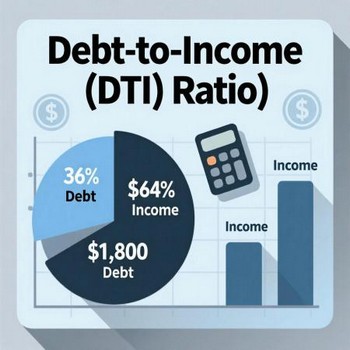 When applying for a conventional mortgage, your debt-to-income (DTI) ratio is one of the most critical factors lenders evaluate. This key metric measures your monthly debt payments against your gross income, helping lenders assess your ability to manage a new mortgage payment.
Try our free debt-to-income calculator →
Understanding how conventional mortgage DTI works can improve your approval odds and help you secure better interest rates. For a complete overview of all qualification factors, review our comprehensive conventional loan requirements guide.
What Is DTI for a Conventional Loan?
Your DTI for a conventional loan represents the percentage of your monthly gross income that goes toward paying recurring debts. Lenders use this ratio to gauge your financial stability and repayment capacity. The calculation includes all your monthly debt obligations divided by your total pre-tax monthly income - which you can estimate using our debt-to-income calculator.
There are two types of DTI ratios that conventional lenders examine:
- Front-end ratio (housing ratio): Focuses solely on housing expenses, including your mortgage payment, property taxes, homeowners insurance, and HOA fees. Conventional guidelines typically prefer this to be 28% or lower.
- Back-end ratio (total debt ratio): Includes all monthly debt payments - credit cards, auto loans, student loans, personal loans, and your new housing payment. Most lenders prefer this to be 36% or lower, though some allow up to 45% with strong compensating factors.
How Lenders Calculate Your DTI
To calculate your conventional debt-to-income ratio, lenders add up all your monthly debt obligations (including your proposed mortgage payment) and divide by your gross monthly income. For example, if your total monthly debts are $2,000 and your gross income is $6,000, your DTI is 33.3%.
When calculating your DTI, include only the minimum required payments on credit cards - not the full balance. Lenders focus on the actual monthly payment obligations, not the total debt amount, which can significantly affect your ratio.
For a more detailed breakdown, use our DTI calculator to see where you stand before applying.
Conventional Loan DTI Limits & Guidelines
Conventional loan DTI limits are generally stricter than government-backed programs like FHA. Most lenders prefer a back-end ratio below 36%, though some may approve up to 45% with compensating factors such as a high credit score, large down payment, or substantial cash reserves.
Borrowers with excellent credit scores and significant down payments may qualify with higher ratios. Jumbo loans often have stricter limits, while some conventional products offer more flexibility for well-qualified buyers. Understanding whether a conventional loan is better than FHA can help you choose the right program for your DTI profile.
Key DTI Guidelines for Conventional Loans:
- Maximum back-end ratio: Typically 36%–45% (up to 50% with exceptional compensating factors).
- Front-end ratio: Generally should stay at or below 28%.
- Compensating factors: Higher credit scores (740+), larger down payments (20%+), and significant cash reserves can offset a higher DTI.
- Fannie Mae & Freddie Mac: Conforming loan guidelines generally accept up to 45% back-end DTI, with 50% as an absolute ceiling in rare cases.
How Your DTI Affects Loan Approval
Lenders view your DTI for a conventional loan as a predictor of your ability to manage monthly mortgage payments. A lower DTI signals better financial health and reduces the lender's risk. This can lead to more favorable interest rates and lower fees.
When your ratio exceeds standard guidelines, lenders may require additional documentation or compensating factors. Some may deny applications that exceed their maximum DTI thresholds. Your DTI also influences which conventional mortgage products you qualify for.
Proven Strategies to Lower Your DTI
Improving your DTI can expand your mortgage options and potentially secure better terms. The most effective approaches are to reduce monthly debt or increase your income.
- Pay down credit card balances: This reduces your minimum monthly payments, improving your back-end DTI.
- Avoid new debt: Don't open new credit accounts or finance large purchases before or during the mortgage process.
- Consolidate debt: A personal loan or balance transfer with a lower monthly payment can improve your DTI and save on interest.
- Increase income: Overtime, a second job, or a salary increase can lower your ratio - though lenders typically require a two-year history for new income sources.
- Pay off smaller debts: Eliminating a car loan or student loan can remove an entire monthly payment from your DTI calculation.
For student loan borrowers, income-driven repayment plans can lower monthly obligations. Use our student loan payment calculator to see how different plans affect your DTI.
Auto loan refinancing might also reduce your car payment. Shop around for better rates, especially if your credit has improved since you took out the loan.
Fannie Mae & Freddie Mac DTI Standards
The Fannie Mae debt-to-income ratio guidelines set the foundation for most conventional loans. While the baseline target is 36% for the back-end ratio, Fannie Mae allows approval up to 45% with strong compensating factors, and occasionally up to 50% in exceptional cases.
Freddie Mac follows similar guidelines. Both use automated underwriting systems that evaluate your entire financial profile - credit history, assets, and employment stability - alongside your DTI. Strong performance in these areas can offset a higher ratio.
The front-end DTI typically caps at 28%, though this can vary based on your overall debt picture. Understanding these qualifying ratios helps set realistic expectations before you apply.
Optimizing Your DTI for Better Loan Terms
Before applying, review your conventional DTI position using our DTI calculator to identify areas for improvement. Paying off debts with the highest monthly payments relative to their balances can have the most significant impact.
A larger down payment not only reduces your loan amount but also demonstrates financial strength, which can offset a slightly elevated DTI. Some borrowers choose to delay their home purchase to improve their ratio, potentially saving thousands in interest over the life of the loan.
Use our down payment calculator to see how different down payment scenarios affect your monthly payment and DTI.
Common DTI Mistakes to Avoid
- Underestimating monthly obligations: Include all recurring payments - even those you plan to pay off - unless you can document their elimination before closing.
- Opening new credit: New accounts add to your monthly obligations and can trigger additional underwriting reviews. Wait until after closing to make major financial changes.
- Forgetting full housing costs: Remember to include property taxes, homeowners insurance, private mortgage insurance (PMI), and HOA fees in your front-end ratio.
- Relying solely on online calculators: Lender calculations may differ. Work with a qualified loan officer for accurate, personalized projections.
Conclusion
Your DTI is a fundamental measure of your financial capacity and mortgage readiness. Understanding how lenders evaluate this metric empowers you to make informed decisions about when to buy and which loan programs to pursue. By optimizing your DTI before applying, you can access better loan terms, lower interest rates, and a smoother approval process.
Use our home affordability calculator to see how your DTI impacts how much house you can afford, and start preparing for a successful conventional mortgage application today.
Frequently Asked Questions
What is the maximum DTI for a conventional loan?
The maximum DTI for conventional loans typically ranges from 45% to 50%, though most lenders prefer ratios below 43%. Fannie Mae and Freddie Mac set these standards, but individual lenders may have stricter requirements. Borrowers with ratios above 45% usually need strong compensating factors such as excellent credit scores (740+), large down payments (20%+), or substantial cash reserves to qualify.
How is the front-end ratio different from the back-end ratio?
The front-end ratio only includes housing-related expenses (mortgage principal, interest, taxes, insurance, and HOA fees) divided by gross monthly income. The back-end ratio includes all monthly debt obligations, including housing costs, credit cards, auto loans, student loans, and other recurring debts. Lenders evaluate both, with front-end ratios typically capped around 28% and back-end ratios around 36%–45% for conventional loans.
Can I qualify for a conventional loan with a 50% DTI?
Qualifying with a 50% DTI is possible but challenging. You would need exceptional compensating factors: a credit score above 740, a down payment of at least 20%, and significant cash reserves (often 6+ months of payments). Most lenders reserve these higher ratios for their strongest borrowers, and approval depends on automated underwriting system (AUS) findings.
Does paying off debt before closing help my DTI?
Yes, paying off debt before closing can improve your DTI and approval chances. However, you must provide documentation proving the debt is paid in full, and lenders will verify this before final approval. Focus on debts with high monthly payments relative to their balances for maximum impact. Avoid depleting your cash reserves, as lenders also require adequate funds for closing costs and reserves.
How do lenders count student loans in DTI calculations?
Lenders typically use either the actual monthly payment on your credit report, 1% of the outstanding balance, or the payment shown on an income-driven repayment plan (if documented). If your loans are in deferment or forbearance, lenders may still include a calculated payment. Providing documentation of your income-driven repayment plan with a lower payment can help reduce your calculated DTI.
Connect With Us
Please share – it really helps