Connect With Us

Please share – it really helps

Meeting conventional loan requirements means proving income, credit, and reserves. We walk through every standard lenders use to approve loans.

Complete Conventional Loan Requirements Guide

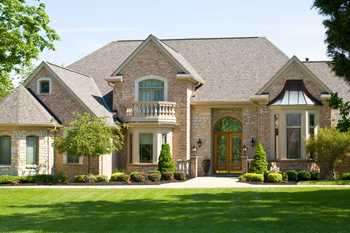
A spacious home with a well-kept, lush green lawn in front.Conventional loans represent the most popular mortgage choice for American homebuyers, accounting for nearly 70% of all mortgage originations. Unlike government-backed alternatives, conventional mortgages don't receive federal insurance protection—meaning private lenders assume full responsibility for potential defaults.

This fundamental difference creates distinct advantages and requirements that every potential borrower should understand. Understanding how conventional loans differ from other mortgage products will help you make an informed decision.

How Conventional Loans Differ from Government-Backed Options

Conventional loans operate under a completely different framework than their government-backed counterparts, affecting qualification standards and long-term costs. Because lenders bear full risk without federal insurance, they enforce stricter qualification criteria and more detailed underwriting processes.

Key differences include:

  • No Federal Insurance: Lenders bear full risk, requiring stricter qualification standards
  • Private Underwriting: Guidelines established by Fannie Mae and Freddie Mac
  • Flexible Property Use: Can finance primary residences, second homes, and investment properties
  • Competitive Pricing: Lower costs for well-qualified borrowers

Types of Conventional Mortgages: Conforming vs. Non-Conforming

Understanding the distinction between conforming and non-conforming loans is crucial for identifying the right financing option. Conforming loans adhere to specific guidelines established by Fannie Mae and Freddie Mac, while non-conforming loans exceed these limits.

The mortgage landscape includes multiple product categories designed to serve different borrower needs.

Conforming Loans: The Standard Choice for Most Borrowers

Conforming loans adhere to specific guidelines and loan amount limits that vary by county. These government-sponsored enterprises purchase conforming mortgages from lenders, creating essential liquidity and enabling competitive interest rates.

Benefits of conforming loans include:

  • Lower interest rates due to secondary market support
  • Standardized underwriting requirements across lenders
  • Wide availability across multiple lenders
  • Predictable qualification criteria

Non-Conforming Loans: Jumbo and Portfolio Options

When loan amounts exceed conforming limits, borrowers enter the non-conforming loan space. Jumbo loans are the most common non-conforming option, designed for high-value properties in expensive markets.

Jumbo loan characteristics include:

  • Higher credit score requirements (typically 700+)
  • Larger down payments (often 20-30%)
  • Stricter debt-to-income ratios
  • Substantial cash reserve requirements

The Role of Your Credit Score in Conventional Loan Approval

Your credit score serves as the cornerstone of your conventional loan application, influencing approval odds and interest rates. Understanding how lenders evaluate credit helps you optimize your financial profile.

A higher credit score signals responsible financial management and reduced default risk, translating directly into better loan terms.

Minimum Credit Score Requirements for Approval

The absolute minimum credit score for a conventional loan is 620, but this represents the basement threshold rather than a target. Borrowers with scores between 620 and 639 face significant challenges in the conventional mortgage market.

At the 620-639 credit score level, expect:

  • Limited lender options (many require 640+)
  • Higher interest rates (0.5-1% above optimal rates)
  • Stricter requirements for other qualification factors
  • Additional fees or higher down payment requirements

In practice, most lenders prefer scores of 680 or higher for competitive pricing, with the sweet spot at 740 for favorable terms.

Credit Score Tiers and Interest Rate Impact

Lenders categorize borrowers into credit tiers that directly impact pricing and loan terms. Understanding where your credit score falls helps you anticipate what interest rates and terms you'll qualify for.

Here's how lenders typically categorize borrowers by credit score tier:

Credit Score Range Interest Rate Position Approval Likelihood
760+ Lowest available rates Maximum flexibility
740-759 Near-optimal pricing Strong approval odds
720-739 Competitive rates Solid approval chances
700-719 Slightly elevated rates Additional scrutiny
680-699 Noticeably higher rates Stricter requirements
620-639 Highest rates Minimal lender participation

Each 20-point credit score improvement can translate to 0.25% better interest rates, potentially saving tens of thousands over your loan term.

How Lenders View Your Debt-to-Income Ratio

Your debt-to-income (DTI) ratio provides lenders with crucial insight into your ability to manage monthly mortgage payments. This metric directly influences whether lenders approve your application.

The DTI ratio represents the percentage of your gross monthly income that goes toward all monthly debt payments.

Understanding DTI Calculation and Standards

Lenders calculate DTI by dividing your total monthly debt payments by your gross monthly income. Conventional loans typically enforce a maximum DTI of 43%, though some automated underwriting systems allow up to 50% with strong compensating factors.

DTI components include:

  • Proposed mortgage payment (principal, interest, taxes, insurance)
  • Homeowners association fees (if applicable)
  • Auto loans and leases
  • Student loan payments
  • Credit card minimum payments
  • Alimony or child support obligations

Strategies to Improve Your DTI Ratio

If your DTI exceeds conventional loan preferences, several proven strategies can improve this critical metric. Many borrowers successfully lower their DTI through intentional financial management before applying.

Effective DTI improvement strategies include:

  • Pay Down Revolving Debt: Reduce credit card balances to lower minimum payments
  • Increase Income: Document bonuses, overtime, or secondary income sources
  • Extend Loan Terms: Refinance existing debts to lower monthly payments
  • Avoid New Debt: Postpone major purchases until after closing
  • Consider a Co-Borrower: Add qualified income to improve the overall ratio

Down Payment Requirements and Strategic Approaches

Your down payment significantly impacts your conventional loan terms, interest rate, and ongoing costs. Understanding the relationship between down payment amount and loan benefits helps you make informed decisions.

Even small differences in down payment percentages can result in substantial differences in monthly costs and total interest paid.

Conventional Loan Down Payment Options

Conventional loans offer flexible down payment options depending on the specific program you select. Different down payment levels unlock different loan products with varying benefits.

Conventional loans provide several down payment options:

  • 3% Down: Available through HomeReady and Home Possible programs
  • 5% Down: Standard low-down-payment option for most borrowers
  • 10-15% Down: Reduces private mortgage insurance costs
  • 20% Down: Eliminates PMI requirement entirely

The Power of 20% Down: Avoiding PMI

Reaching a 20% down payment provides significant financial advantages throughout your entire loan term. This threshold eliminates the need for private mortgage insurance, saving substantial monthly expenses.

Advantages of achieving 20% down payment include:

  • No Private Mortgage Insurance: Save hundreds monthly without PMI premiums
  • Better Interest Rates: Lenders offer improved pricing at 20% equity
  • Stronger Offer Position: Sellers often prefer buyers with substantial down payments

Understanding Private Mortgage Insurance Requirements

When your down payment falls below 20%, lenders require private mortgage insurance to protect against potential default. Understanding PMI costs and cancellation options is crucial for financial planning.

Private mortgage insurance (PMI) protects lenders—not borrowers—against losses if you default on your mortgage.

How PMI Works and What It Costs

Private mortgage insurance typically costs 0.3% to 1.5% of your original loan amount annually. Your exact PMI costs depend on your individual financial profile and loan characteristics.

Factors affecting PMI costs include:

  • Credit Score: Higher scores secure lower PMI rates
  • Down Payment Size: Larger down payments reduce PMI costs
  • Loan-to-Value Ratio: Lower LTV means lower premiums
  • Property Type: Single-family homes have lower rates than condos

Strategies to Eliminate PMI Sooner

While PMI automatically cancels at 78% loan-to-value, several strategies accelerate this process. Taking an aggressive approach to PMI elimination can save you years of payments.

Strategies to accelerate PMI elimination include:

  • Make Additional Principal Payments: Reduce your balance faster than scheduled
  • Home Improvement Projects: Increase property value strategically
  • Market Appreciation: Request a new appraisal if values have increased
  • Refinancing: Consider options once you reach 20% equity

Conventional Loan Limits and Geographic Variations

Conforming loan limits establish the maximum mortgage amount eligible for conventional financing. Understanding these limits helps you determine whether you'll need jumbo financing.

The Federal Housing Finance Agency (FHFA) sets annual loan limits that influence the availability and pricing of conventional mortgages.

2026 Conventional Loan Limits by Property Type

Federal Housing Finance Agency establishes annual loan limits that influence the availability of conventional mortgages. These limits increase based on median home price appreciation and vary by county.

The 2026 conventional loan limits include:

  • Standard Limit: $832,750 for most U.S. counties
  • High-Cost Areas: Up to $1,249,125 in designated markets
  • Multi-Unit Properties: Higher limits for 2-4 unit properties

Interest Rate Environment and Loan Options

Understanding current interest rate trends and available loan products helps you secure optimal conventional loan terms. Your choice of interest rate structure is one of your most significant financial decisions.

Fixed and adjustable rates offer different benefits depending on your timeline and risk tolerance.

Fixed-Rate vs. Adjustable-Rate Conventional Loans

Conventional loans offer both fixed and adjustable-rate structures to accommodate different financial goals. Each structure comes with distinct advantages and considerations.

Fixed-rate mortgage characteristics include:

  • Payment stability throughout the loan term
  • Protection against rising interest rates
  • Available in 10, 15, 20, and 30-year terms

Adjustable-rate mortgage characteristics include:

  • Lower initial interest rates than fixed-rate mortgages
  • Rate adjustments after initial fixed period (typically 5-7 years)
  • Common structures include 5/1 ARM and 7/1 ARM options

Steps to Qualify for a Conventional Loan

Strategic preparation significantly improves your chances of conventional loan approval and helps secure favorable terms. The months before you apply represent your best opportunity to optimize your financial profile.

Borrowers who prepare thoroughly before applying typically qualify for better rates than those who apply without preparation.

Pre-Application Preparation Checklist

Follow these essential steps before beginning your formal mortgage application. Taking time to prepare streamlines your application process and increases your chances of approval.

Follow this pre-application checklist for conventional loan success:

  • Review Credit Reports: Identify and dispute any inaccuracies
  • Calculate DTI Ratio: Ensure you meet conventional standards
  • Document Income: Gather pay stubs, W-2s, and tax returns
  • Verify Assets: Prepare bank and investment account statements
  • Research Loan Programs: Identify the best conventional options
  • Get Pre-Approved: Obtain a conditional commitment before house hunting

Documentation Requirements for Conventional Loans

Conventional loan underwriting requires comprehensive documentation to verify your financial profile. Lenders want to see clear documentation of your income, assets, and financial history.

Conventional loan underwriting typically requires:

  • Income Verification: 30 days of pay stubs, 2 years of W-2s, and tax returns
  • Asset Documentation: 2-3 months of bank statements
  • Credit Information: Authorization to pull credit reports
  • Property Details: Purchase agreement and property insurance quote
  • Additional Documents: Explanation letters for credit issues or gift letters

How Conventional Loans Compare to Other Mortgage Options

Understanding how conventional financing differs from government-backed programs helps you select the optimal mortgage product. Each loan type serves different borrower profiles with unique advantages.

The mortgage market offers multiple financing options, each with distinct qualification standards and cost structures.

Conventional vs. FHA Loan Comparison

While both programs offer low down payment options, key differences significantly impact long-term costs. FHA loans and conventional loans attract different borrower profiles for specific reasons.

Comparing conventional and FHA loans reveals important differences:

Feature Conventional Loans FHA Loans
Minimum Credit Score 620 580
Mortgage Insurance PMI (cancellable at 20% equity) MIP (may be permanent with low down)
Loan Limits $832,750 (standard) Lower than conventional
Property Standards More flexible Stricter requirements

FHA loans allow borrowers with lower credit scores to qualify. However, FHA mortgage insurance (MIP) never cancels for loans with down payments below 10%, resulting in permanent additional costs.

Conventional vs. VA and USDA Loans

Government-backed programs serve specific borrower demographics with unique advantages. VA and USDA loans offer benefits unavailable through conventional financing for eligible borrowers.

Government-backed programs offer:

  • VA Loans: No down payment or PMI for eligible military borrowers
  • USDA Loans: Zero down payment in designated rural areas
  • Conventional Loans: No geographic or military service restrictions

Advantages and Disadvantages of Conventional Mortgages

Weighing the pros and cons of conventional financing helps determine if this option aligns with your goals. No single loan type works best for every borrower.

Your financial situation, credit profile, and homeownership timeline all factor into whether conventional loans represent the optimal choice.

Key Benefits of Conventional Loans

Conventional mortgages offer several compelling advantages for qualified borrowers. These benefits explain why conventional loans account for nearly 70% of all mortgage originations.

Conventional loans provide distinct advantages:

  • Competitive Interest Rates: Best pricing for borrowers with strong credit
  • PMI Cancellation: Ability to remove mortgage insurance with sufficient equity
  • Property Flexibility: Used for primary, secondary, and investment properties
  • Higher Loan Limits: Access to larger amounts than government programs
  • Fewer Restrictions: More flexible property requirements and loan terms

Potential Drawbacks to Consider

Conventional loans present certain limitations that borrowers should acknowledge. Understanding these drawbacks helps you make informed comparisons with other loan types.

Conventional loans have specific limitations:

  • Stricter Qualifications: Higher credit and income requirements
  • Larger Down Payments: Typically, more upfront cash than FHA
  • PMI Costs: Additional monthly expense with down payments below 20%
  • Limited Flexibility: Fewer accommodations for credit issues

Real-World Scenarios: Conventional Loan Success Stories

Examining practical examples illustrates how different borrowers successfully navigate conventional loan requirements. These scenarios demonstrate that conventional loans effectively serve diverse borrower profiles.

Real borrower experiences provide valuable insights into how conventional loans work in practice.

First-Time Homebuyer Scenario

Background: Sarah and Mark, combined income $95,000, credit scores 725 and 710, DTI 36%

Sarah and Mark represented typical first-time homebuyers with solid credit but limited down payment savings. They used a Conventional 97 loan with 3% down payment to purchase their first home.

Strategy: 3% down payment ($10,500) on their $350,000 home purchase. Their strong credit secured a competitive interest rate despite the lower down payment, with PMI budgeted until reaching 20% equity.

Outcome: Approved with a 30-year fixed rate, a monthly payment of $1,850 including PMI, with plans to reach 20% equity in 5-7 years.

Move-Up Buyer Scenario

Background: The Johnson family, selling current home with $150,000 equity, credit scores 760+, DTI 32%

The Johnson family represented established homeowners trading up to a larger property. They leveraged the equity from their home sale to make a substantial down payment, eliminating PMI.

Strategy: 20% down payment from home sale proceeds on their $600,000 new home. Excellent credit scores qualified them for the lender's best available rate.

Outcome: Secured 30-year fixed loan with no PMI, monthly payment approximately $3,100, saving thousands annually.

Tips to Strengthen Your Conventional Loan Application

Proactive financial management significantly enhances your prospects for conventional loans. The investments you make in your financial profile now will pay dividends in the form of better rates and terms.

The key to securing the best conventional loan terms is demonstrating financial stability and responsibility to potential lenders.

Immediate Actions to Boost Approval Odds

Implement these strategies in the months leading up to your application. Many of these actions take only hours but deliver substantial benefits to your chances of approval.

Implement these strategies to boost your approval odds:

  • Stabilize Employment: Avoid job changes during the application process
  • Limit Credit Applications: Minimize hard inquiries before applying
  • Maintain Low Balances: Keep credit card utilization below 30%
  • Document Everything: Maintain clear records of income and assets
  • Build Reserves: Accumulate 3-6 months of mortgage payments

Key Takeaways for Conventional Loan Success

Conventional loans represent a compelling financing option for borrowers with solid credit profiles and stable employment. By understanding the specific requirements surrounding credit scores, DTI ratios, and down payments, you can position yourself for successful approval.

Preparation represents the most important factor in conventional loan success. Comparing multiple lenders ensures you secure the best possible terms for your unique financial situation.

Frequently Asked Questions About Conventional Loans

What is the minimum credit score required?

The absolute minimum credit score required for conventional loan approval is 620, though most lenders prefer 640 or higher for competitive pricing. Borrowers with scores of 680 or above access the best interest rates and most favorable terms available.

Can I avoid paying PMI entirely?

Yes, you can avoid PMI entirely by making a 20% down payment when you purchase your home. Alternatively, you can work toward 20% equity through additional principal payments, home improvements, or market appreciation. Once you reach 20% equity, PMI disappears permanently.

How long does conventional loan approval take?

Conventional loan approval typically takes 30-45 days from application to closing. Borrowers who prepare comprehensive documentation and respond quickly to lender requests can achieve approval in as little as 21-30 days. Complex financial situations may require additional time.

What is the maximum debt-to-income ratio allowed?

Conventional loans typically limit the debt-to-income ratio to 43%, though some lenders allow up to 50% with strong compensating factors. Most borrowers should target a DTI below 43% to improve their chances of approval and secure the best available interest rates.

Are conventional loans better than FHA loans?

Conventional loans typically offer better long-term value for borrowers with credit scores above 640 because PMI cancels at 20% equity. FHA loans work better for borrowers with lower credit scores since FHA mortgage insurance never cancels on loans with less than 10% down.

Start optimizing your financial profile today—the months you invest in preparation now will directly translate to better interest rates and loan terms when you apply. With a clear understanding of conventional loan requirements and a strategic plan, you're ready to secure the financing that matches your homeownership goals.